
Understanding the Role of Manual Therapy in Pain Management
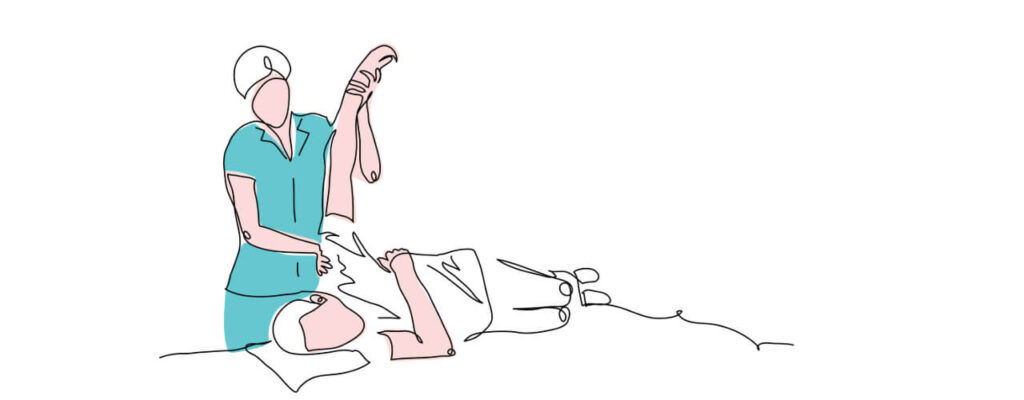
Manual therapy is a critical component of physical therapy that plays a key role in managing pain and improving mobility. This hands-on approach is used to treat a variety of conditions, from muscle tension to joint stiffness, and helps patients recover without the need for invasive procedures or heavy reliance on medications. By focusing on targeted areas of discomfort, manual therapy provides relief from pain and restores function, allowing patients to return to their daily activities more comfortably.
What is Manual Therapy?
Manual therapy is a specialized, hands-on technique used by physical therapists to manipulate the muscles, joints, and soft tissues of the body. It involves various techniques that aim to reduce pain, improve mobility, and enhance overall function. Some of the most common techniques include:
Soft tissue mobilization:
- This technique targets the muscles and connective tissues around an injured or painful area. The therapist applies pressure to relieve muscle tension, reduce swelling, and improve circulation.
Joint manipulation and mobilization:
- Physical therapists use controlled movements to restore mobility to stiff joints. By applying specific pressure to the joints, they help reduce pain and improve the range of motion in the affected area.
Myofascial release:
- This technique focuses on releasing tightness in the fascia, the connective tissue that surrounds muscles and organs. By applying gentle, sustained pressure, therapists can relieve tension that may be causing pain and discomfort.
These hands-on techniques are tailored to each patient’s specific condition and needs, making manual therapy a versatile tool in pain management.
How Manual Therapy Helps with Pain Management
Manual therapy addresses pain by improving the body’s natural movement and function. When joints become stiff or muscles tense up, it can cause discomfort and limit mobility. Manual therapy works by reducing these restrictions and restoring normal movement, which helps relieve pain. Here’s how it works:
Improved joint mobility:
- When a joint is restricted due to injury, arthritis, or poor posture, it can cause pain and inflammation. These techniques help free up these joints, allowing them to move more freely and without pain.
Relaxation of tight muscles:
- Muscle tension is a common cause of pain, especially in the back, neck, and shoulders. By applying targeted pressure to tight areas, manual techniques relaxes the muscles, easing pain and improving flexibility.
Restored function:
- Many patients experience pain because their body is not moving the way it should. Manual therapy helps restore proper movement patterns, reducing stress on the joints and muscles and allowing the body to heal naturally.
Conditions such as back pain, arthritis, joint stiffness, and even headaches can benefit from manual therapy. It is particularly effective for chronic pain management, as it targets the root cause of pain and provides relief without the need for medications.
Benefits of Manual Techniques in Long-Term Pain Relief
One of the major advantages of manual therapy is its long-term benefits in pain management. Unlike medications, which may only mask the pain temporarily, manual therapy addresses the underlying cause of pain and helps prevent it from returning. Here are some of the key long-term benefits:
Reduced reliance on pain medications:
- By targeting the source of pain and improving mobility, manual techniques help reduce the need for painkillers, which can have side effects and may only offer short-term relief.
Improved mobility:
- Patients who receive hands-on therapy often experience greater range of motion and flexibility in the affected areas. This allows them to move more freely and comfortably, reducing the risk of future injuries.
Preventing future injuries:
- Restoring normal movement patterns and relieving muscle tension helps prevent the recurrence of pain and reduces the risk of future injuries.
Patients who incorporate manual therapy into their rehabilitation often find that it not only alleviates their immediate pain but also helps them maintain long-term wellness by promoting healthy movement and posture.
How Long Island Physical Therapy Incorporates Manual Therapy into Treatment Plans
At Long Island Physical Therapy, we understand the importance of a personalized approach to pain management. That’s why we incorporate manual therapy as a core part of our treatment plans for patients dealing with pain and mobility issues. Our physical therapists use manual techniques in combination with other therapies, such as exercise and patient education, to provide comprehensive care that targets the root cause of your pain.
Each treatment plan is tailored to your individual needs, ensuring that you receive the best possible care to relieve your pain, restore your mobility, and prevent future problems. Whether you’re recovering from an injury or dealing with chronic pain, manual therapy at Long Island Physical Therapy can help you regain control of your body and improve your quality of life!