
Arthritis and Knee Pain: Coping Strategies and Treatment Options
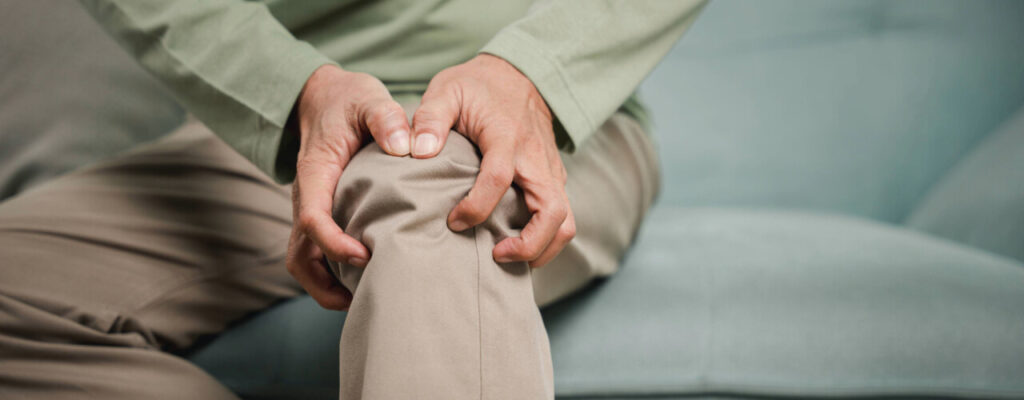
Meet Constance (not her real name), an active 50-year-old who loved hiking and playing with her grandkids. Until she noticed a persistent ache in her knees, especially after long walks or standing for extended periods. This arthritis and knee pain affected her daily life, making her hobbies and time with her family less enjoyable. Seeking relief, Constance turned to physical therapy for pain management.
The Connection Between Arthritis and Knee Pain
Arthritis is a leading cause of knee pain, affecting millions worldwide. This condition involves inflammation of the joints, which can lead to significant discomfort and reduced mobility. Osteoarthritis, the most common form, occurs when the cartilage cushioning the ends of the bones in your knee joint gradually deteriorates. This wear and tear can result in pain, swelling, and stiffness, particularly after long periods of activity or rest. Effective management through physical therapy can help alleviate these symptoms, improve joint function, and enhance quality of life.
Common Signs of Arthritis
Pain and Stiffness
- Constance often felt a dull ache in her knees, especially in the morning or after sitting for a while. This pain can vary in intensity from mild discomfort to severe, debilitating pain, often worsening with activity and improving with rest.
Swelling
- The knees sometimes appear puffy, indicating inflammation. Swelling can make the knee feel warm to the touch and restrict movement, making it difficult to bend or straighten the leg fully.
Reduced Range of Motion
- Bending or straightening the knees can be difficult. Constance found it hard to squat or climb stairs, impacting her ability to perform everyday activities and enjoy physical hobbies.
Crunching Sensation
- A crackling or grating sound when moving the knees is a sign of arthritis within the knee joint. This sensation, known as crepitus, can occur due to roughened cartilage surfaces or loose fragments within the joint.
Causes of Arthritis That Can Lead to Knee Pain
Osteoarthritis
- Osteoarthritis is the most common type, where the cartilage that cushions the knee joint wears down over time. Osteoarthritis often affects people over 50, but younger individuals can also develop it due to joint injuries or genetic factors.
Rheumatoid Arthritis
- An autoimmune disorder that causes the immune system to attack the joints. Unlike osteoarthritis, rheumatoid arthritis can affect individuals of any age and often leads to more widespread symptoms, including fatigue and fever.
Injury
- Previous sports injuries or accidents can lead to arthritis knee pain later in life. Damage to the ligaments, tendons, or menisci (the cartilage pads) in the knee can increase the risk of developing arthritis years after the initial injury.
Discover the Benefits of Physical Therapy for Arthritis and Knee Pain
Physical therapy offers a comprehensive approach to managing arthritis and knee pain. Physical therapists are experts in creating personalized treatment plans to reduce pain and improve function.
Constance’s Experience: A Glimpse into Personalized Arthritis Management
Assessment
- A thorough evaluation of knee pain and mobility issues is essential. For Constance, this involved assessing her range of motion, strength, and flexibility and identifying specific activities that trigger her pain, such as hiking or standing for long periods.
Personalized Plan
- Based on Constance’s assessment, a treatment plan to address her specific needs was developed. This plan included a variety of therapeutic exercises, manual therapy techniques, and patient education strategies tailored to her goals, such as continuing her favorite activities without worsening her knee pain.
Treatment Methods
Strengthening Exercises
- Constance’s plan strengthened the muscles around her knees to reduce joint strain. Tailored exercises included leg lifts, hamstring curls, and low-impact aerobic activities like swimming or cycling, which helped her stay active while managing her knee pain.
Manual Therapy
- Constance benefited from hands-on techniques that helped to improve her joint function and reduce pain. Therapists used methods, including soft tissue manipulation and joint mobilization, specifically to enhance her knee mobility and alleviate her discomfort.
Education
- Constance learned how to modify her activities to prevent further knee damage. This included advice on using supportive footwear, pacing her hiking and playing activities, and incorporating rest periods into her routine to avoid putting extra stress on her knees.
Take Control of Arthritis and Knee Pain Today!
If you’re experiencing symptoms like Constance’s, seeking physical therapy can be a game-changer. Call our team at Long Island Physical Therapy in Huntington Station, NY to learn more about arthritis and knee pain management.